Can Your Home’s Wiring Survive a Florida Lightning Summer?
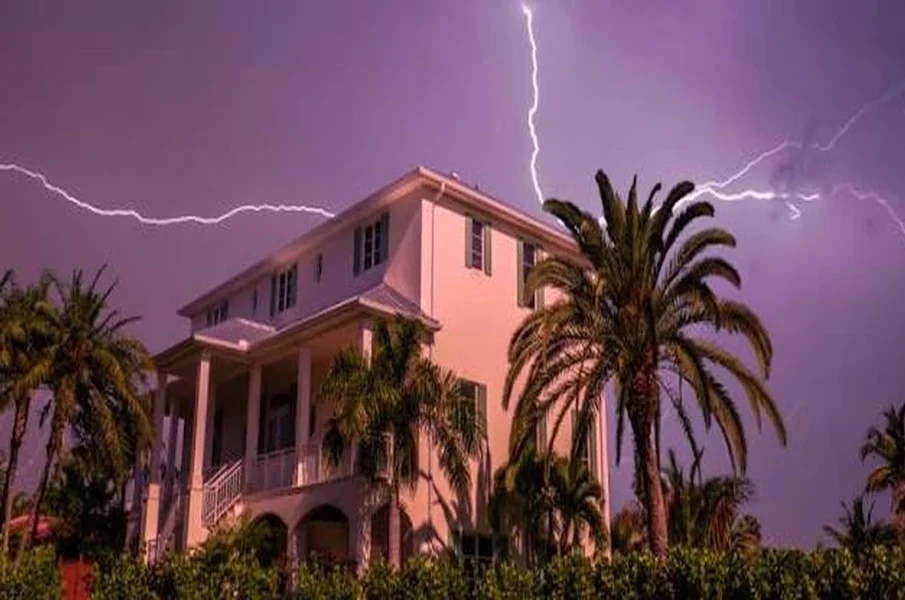
Picture a late July afternoon in Pasco County. The sky goes from bright to bruised in twenty minutes, thunder starts rolling in, and somewhere down the street a bolt hits a utility pole. Nobody’s house takes a direct hit, yet by evening one neighbor’s garage door opener is dead and another’s pool pump won’t start. That is how lightning usually hurts a home in this part of the state. It rarely arrives as a fireball through the roof. It shows up as a voltage spike riding the wires you already depend on.
For homeowners around Wesley Chapel and Tampa, N E Electrical is a licensed local contractor whose work on panel upgrades, repairs and post-storm troubleshooting fits squarely into hardening a house against those spikes. Still, smart protection starts with knowing where the danger actually comes from.
The Most Electric Sky in the Country
Florida sees more lightning per square mile than any other state, and the corridor between Tampa Bay and Orlando sits in the busiest part of it. Sea breezes from the Gulf and the Atlantic collide over the peninsula on most summer afternoons, so storms run on a predictable clock from roughly June through September.
The National Weather Service lightning safety guidance focuses on keeping people safe, and that should always come first. But the same storms that send everyone indoors are also pushing energy into the power grid, cable lines and the soil around your foundation. A strike a quarter mile away can induce thousands of volts on nearby lines.
Every Door a Surge Can Walk Through
Most people think of the power line as the only path in. A typical Tampa Bay home actually has several, and each one deserves attention.
- The overhead or underground service that feeds your main panel
- Coaxial cable and internet lines entering near the meter
- Irrigation controllers whose valve wires stretch across the yard
- Pool and spa equipment sitting on its own pad with long wire runs
- Landscape lighting, gate openers and detached garages or sheds
- Well pumps on the more rural properties in Pasco and Hillsborough counties
Long outdoor wire runs behave almost like antennas. That is why irrigation timers and pool control boards are often the first things to fail after a nearby strike, even when everything inside the house comes through fine.
What the Code Now Expects at Your Panel
The 2020 edition of the National Electrical Code added section 230.67, which requires surge protection on the electrical service of every dwelling. Florida folded that code into the 8th edition of the Florida Building Code, which took effect at the end of 2023. A home permitted recently, or one getting a new panel or service upgrade today, should come away with a whole home surge protective device installed at or right beside the service equipment.
Older homes, including plenty built during the region’s long housing boom, were never required to have one. They are grandfathered, which is perfectly legal but not the same thing as protected.
A whole home device works by shunting excess voltage to ground in a tiny fraction of a second. It won’t stop a direct hit, and nothing practical for a house will. What it handles well is the far more common induced surge. It also blunts the smaller internal spikes from AC compressors and pool pumps cycling on, which slowly wear down circuit boards.
Layers Beat Any Single Gadget
Think of surge protection as a relay rather than a wall. Type 1 and Type 2 devices at the panel take the biggest blow. Type 3 devices, meaning the plug strips and receptacle units near sensitive electronics, catch whatever slips past. A cheap power strip on its own is a weak defense, but behind a panel device it becomes a useful second line.
The device should carry a UL 1449 listing. It should be wired with short, straight leads, since every extra inch of wire adds impedance and slows its response. Many models include indicator lights showing whether protection is still active, and those lights matter, because surge devices sacrifice themselves gradually. A unit that absorbed a few heavy summers may still look powered while its protective parts are spent.
The Ground Beneath It All
Surge protection is only as good as the path it sends energy to. That path is your grounding electrode system, usually one or two copper rods driven into the soil near the meter. Sandy Florida soil tends to resist current more than dense clay, and it turns drier and less conductive during the spring dry season. Rods corrode and clamps loosen over time.
Bonding is the other half of the story. Cable, phone and power systems should all tie into the same grounding point through what the code calls an intersystem bonding termination. When a cable installer drives a separate rod in the yard and never connects it to the house ground, a surge can create a voltage difference between two systems that meet inside your TV or modem.
After the Thunder Stops
Some damage announces itself. Breakers trip, GFCI outlets pop and lights flicker. Other damage hides. Lightning energy can scorch insulation inside an attic junction box or behind drywall without leaving visible marks, and a nearby strike can occasionally start a slow smolder that only becomes obvious hours later. If you smell something hot or see smoke, get everyone out and call 911 before anything else.
When there is no emergency, walk the house the next morning. Press the test buttons on GFCI outlets, see whether outdoor equipment powers up, look at the surge device indicator and note any outlet that feels warm or looks discolored. Dated photos help if you file an insurance claim. Repeated, unexplained tripping after a storm deserves an electrician’s eye rather than one more reset.
Rods on the Roof Are a Separate Conversation
Lightning protection systems, the air terminals and down conductors you sometimes see on steeples and larger homes, are a different tool entirely. They give a direct strike a controlled path to earth and are designed to standards such as NFPA 780. They suit tall or isolated homes, but they do not replace surge protection. A house can have rods on the roof and still lose every appliance to a surge arriving on the service line.
Living Smart Through Storm Season
Even a well protected home benefits from a few habits. Unplug expensive electronics before leaving on a summer trip. Stay off corded phones and away from plugged in devices during a storm, and skip showers and dishwashing too, since plumbing can carry current. Having your panel, grounding and surge device checked every few years makes sense, ideally before the rainy season settles in around late May.
In Central Florida, lightning is close to a certainty rather than a risk you might never face. The homes that come through summer with the fewest surprises usually aren’t lucky. Someone simply thought through the wiring, the ground and every path a surge could take long before the first afternoon storm rolled in.