Does Your HVAC Work Harder When You Block Natural Light

Have you ever sat in your living room, shut the curtains, dimmed the lights, and thought, Great, now the AC can finally chill out too?
It sounds logical, right? But here’s a surprising truth. Blocking natural light the wrong way or at the wrong time can actually make your HVAC, especially your AC, work harder, cost you more money, and wear down faster, without you even noticing.
Many people block light unpredictably, block the wrong areas, or trap airflow while doing it, which creates a new set of challenges.
Let’s break it down.
The Greenhouse Effect Indoors
Sunlight isn’t just light. It also carries heat specifically, infrared radiation. When it hits carpets, couches, wooden floors, walls, or even your favorite indoor reading chair, those objects soak up the heat and throw it right back into the room, like an echo you didn’t ask for. The heat gets trapped indoors, heating your home much like a greenhouse warms plants. So, your HVAC now has to jump into overdrive mode to fight that trapped heat.
The Added Cooling Load Problem
Your AC has one main job. Remove heat from inside and toss it outside. Extra sunlight means extra heat. Extra heat means your AC is now trying to empty a bathtub while someone keeps refilling it with warm water. Annoying for us, stressful for the system. This results in longer cooling cycles, raised energy usage, and higher monthly bills.
Thermostat Confusion Caused By Sunlight
Quick question. Does your thermostat sit near a sunny window or a bright corner of your home? If yes, the thermostat might be misreading the temperature. It thinks, Wow, it’s crazy hot in here, even if most of the room is okay. So the AC keeps running longer, trying to satisfy that misleading sensor’s demand.
Efficiency Drops And Component Wear
Longer run times, higher energy consumption, extra strain on the compressor—it all snowballs into faster wear, breakdown chances, and shortened equipment lifespan. Even a mild sunny day can cause overheating in outdoor units if indoor heat keeps surging.
The Correct Way To Block Natural Light
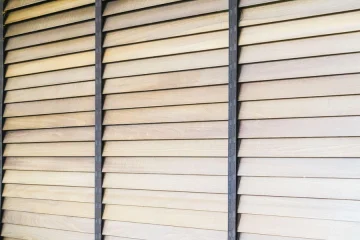
Blocking light helps when you don’t block airflow. During peak sun hours, closing blinds or shades on the hot, sun-facing windows reduces heat by nearly 33%. However, keeping vents open, airflow clear, and scheduling filter and component checks weekly is the secret combination for smarter HVAC behavior.
Final Thoughts
Sunlight isn’t the enemy. Trapped heat and bad airflow balance are. The trick is to block light intelligently, leave vents open, and listen to your system’s behavior. Efficiency is a partnership between your home choices and the HVAC that serves them. And Cincinnati deserves smarter solutions, not overheated compressors.
Need a trusted HVAC team that actually listens and inspects behind the panels and sensors, not just the filter? HELP Plumbing, Heating, Cooling, and Drains has you covered, locally and professionally.