Quick Tips to Safely Clean Your Roof with Pressure Washing
A neglected roof can quietly eat away at your home’s value, while moss and algae thrive in the shadows. Cleaning your roof is more than a cosmetic task, done the wrong way, it can damage shingles or even void your roof warranty. With pressure washing, the stakes are high, but so is the reward: a roof that looks renewed and protected against the elements.
Why Is It Important to Clean Your Roof Safely?
Ignoring roof maintenance allows organic growth, like moss and algae, to take hold. These pests trap moisture, leading to rot, leaks, and eventually expensive repairs. However, aggressive cleaning isn’t the answer either. Using too much pressure can strip away protective granules from shingles or force water underneath the roofing material, causing more harm than good.
What Risks Does Pressure Washing Pose to Your Roof?
Pressure washing delivers a blast of water that can be both friend and foe. If the pressure is too high or the angle is wrong, you risk tearing shingles, denting metal surfaces, or dislodging flashing. Water intrusion is another lurking hazard, especially when the spray drives moisture under the shingles, leading to mold and interior damage. That’s why a thoughtful approach is key before firing up any pressure washer.
How Can Proper Cleaning Extend Your Roof’s Lifespan?
A roof cleaned with care can last years longer. Removing moss, algae, and debris reduces trapped moisture and the risk of decay. Gentle, consistent maintenance helps you catch minor issues before they spiral into major head-scratchers. Instead of premature replacements, homeowners enjoy stronger curb appeal and a healthier home.
What Are the Best Practices for Pressure Washing a Roof?
Before you aim a pressure washer skyward, it pays to know the best tactics. Not all roofs or stains require the same treatment.
Which Cleaning Agents Are Safe and Effective?
Specialized roof-cleaning solutions, often biodegradable, break down moss and mildew without harsh side effects. Avoid bleach-based or highly acidic cleaners, as they can damage vegetation and degrade your roofing materials. Look for products labeled safe for roofs and always rinse thoroughly after application.
What Pressure Settings Should You Use?
Low pressure is the rule. Anything above 1,200 PSI is usually too much for asphalt shingles or aging tiles. Soft washing, which uses a gentle spray combined with effective cleaning agents, is typically safer and just as effective for most residential roofs.
When Is Soft Washing a Better Option?
Soft washing outshines standard pressure washing for delicate shingles or heavily infested roofs. It’s also ideal when moss and algae have penetrated deeper into the surface. This method reduces wear and tear, relying on detergents instead of brute force.
How Do You Prepare Your Roof and Surroundings for Pressure Washing?
Preparation sets the stage for a safe and successful clean.
What Tools and Safety Equipment Are Essential?
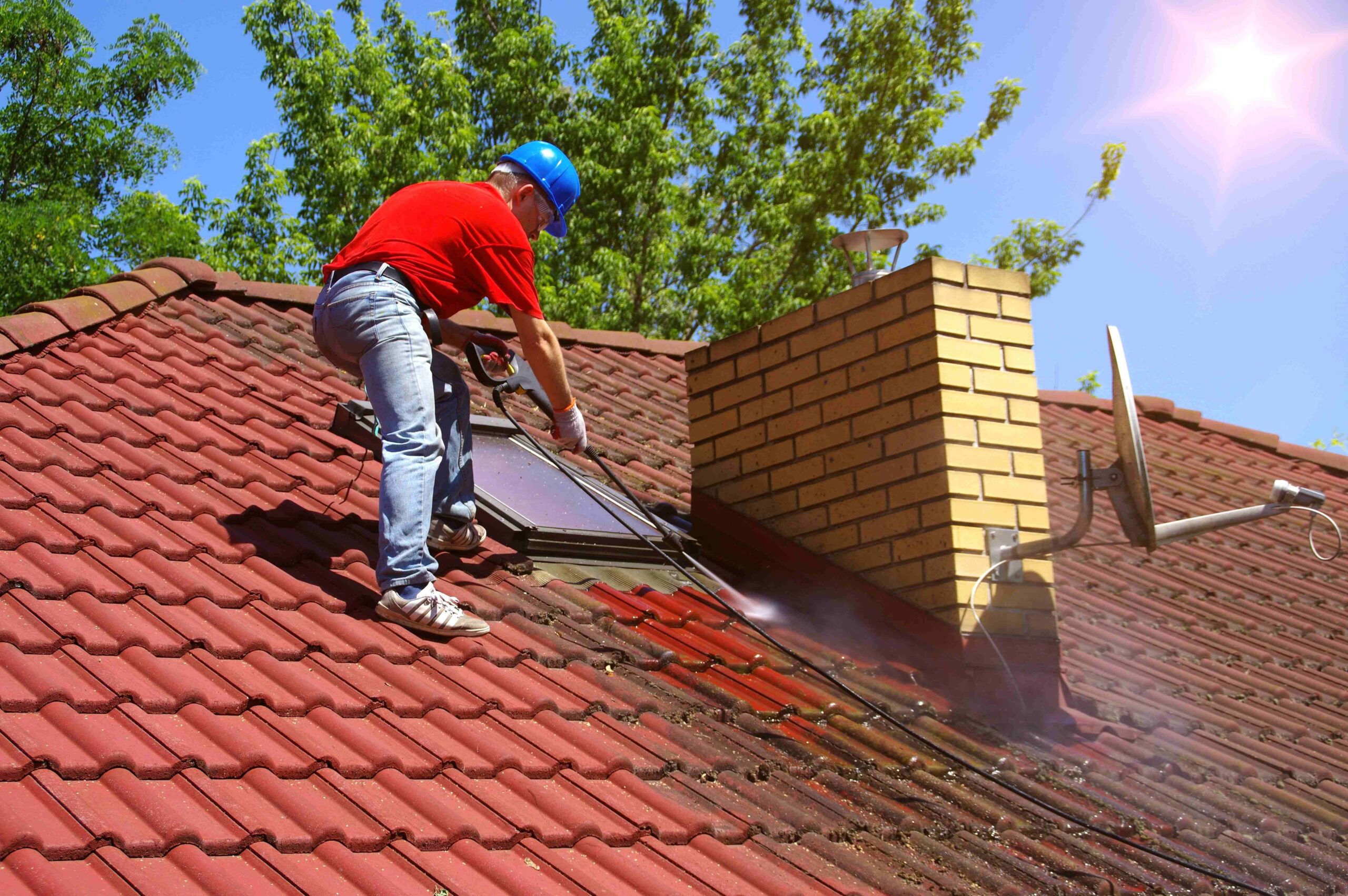
A sturdy ladder, safety harness, non-slip footwear, and protective eyewear are must-haves. Use a pressure washer with adjustable settings and, ideally, a telescoping wand to stay off the roof as much as possible.
How to Protect Plants, Gutters, and Outdoor Fixtures?
Drape plastic sheeting or tarps over plants and landscaping. Disconnect or cover outdoor lights and furniture. Be sure gutters are clear, as you’ll want runoff water to flow freely and not back up onto the roof.
What Step-by-Step Process Should You Follow to Clean Your Roof?
Start by clearing loose debris, such as leaves and branches, with a broom or leaf blower. This prevents blockages and improves the reach of your cleaning solution. Apply your chosen roof-safe detergent, letting it sit for the manufacturer’s recommended time to break down grime. Then, set your washer to low pressure and wash in a downward direction to avoid lifting shingles. Finish with a thorough rinse, again working from the ridge downward. Take care not to rush, slow, steady passes prevent streaking and ensure a consistent clean.
What Common Mistakes Should You Avoid During Roof Pressure Washing?
Going too fast or using excessive pressure often ends in disaster. Water forced under the shingles can lead to hidden rot, while harsh chemicals may strip color or kill nearby plants. Never point the nozzle upward or hold it too close to the surface. Avoid pressure washing on windy days to keep chemicals where you want them.
When Should You Call a Professional Roof Cleaner?
If your roof is steep, high, or severely infested, or if you lack the right equipment, it’s time to call in the pros. Companies like Zach’s Power Washing in Olympia, WA specialize in safe, effective roof cleaning using commercial-grade equipment and knowledge built over years. Sometimes, it’s simply safer (and more cost-effective) to let experienced hands do the job, especially when warranties or insurance coverage are on the line.
Experts suggest that to keep your roof in prime condition, it’s smart to clean your roof with pressure washing using a trusted service if DIY isn’t safe or feasible.
How to Maintain Your Roof After Cleaning?
Routine inspections (twice a year is ideal) help you spot trouble early. Trim overhanging branches to minimize shade and debris, and keep gutters clean to avoid water backup. For moss-prone areas, zinc or copper strips near the ridge can help deter regrowth. As for cleaning frequency, most roofs benefit from a professional clean every 2-3 years, but homes in rainy, shady climates may need it more often.
A sparkling, damage-free roof doesn’t just look good from the curb, it stands guard against the Northwest’s toughest weather, protecting your greatest investment for years to come.