Understanding Timberline Vanities Styles for Home Spaces
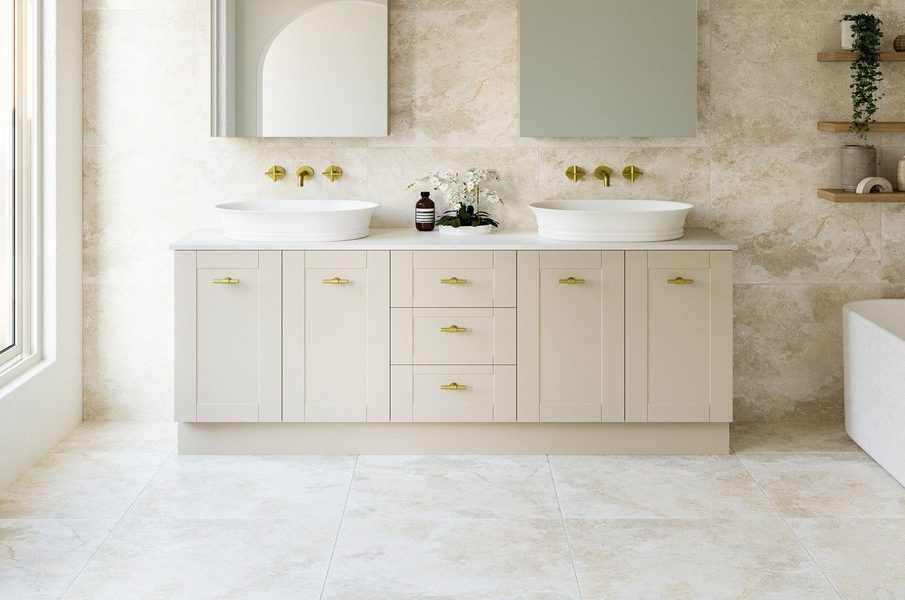
Selecting a bathroom vanity does not just mean a simple selection of a colour or a size. Timberline vanities have a variety of fashions, which are able to match the styles of various homes whether it is a traditional or modern home. Here are the key Timberline Vanities styles and the way in which each of them can be incorporated into various home layouts and design styles.
Explaining the various timberline vanity styles for home spaces
Classic and traditional styles
The vanity designs of the past may be characterized by the use of timber finishes, elaborate cabinetry, and general cozy look. The styles will work well with a home that has a more traditional or heritage based interior design. characteristics of traditional timberline vanity styles are:
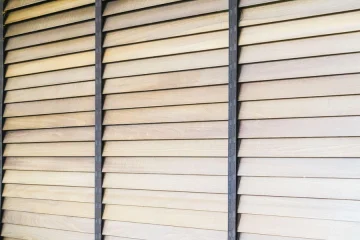
- Timber-look finishes: Providing surfaces that mimic the look of wood grain, bringing warmth and texture to conventional bathroom areas.
- Detailed cabinetry fronts: The cabinets have the panel illustration on the doorways and drawers resembling the traditional style of furniture.
- Freestanding vanity options: The offer of furniture-type units, which stand on their own, which fits bathrooms of larger size with a classic structure.
- Warm tonal palettes: With warm, earthy colors, which blend with traditional tiling and fixtures popular in traditional bathrooms.
Modern and minimalist styles
The new styles of modern vanity are inclined to clean lines, simple shapes, and uncluttered surfaces. The styles fit modern-day houses retaining simplicity and practicality. Characteristics of typical Timberline vanity designs are:
- Flat-panel cabinetry: These have a no-handle or minimal-handle look, which adds to the appearance of a smooth appearance.
- Wall-hung configurations: They offer floating vanity designs which create space by keeping the floor below open.
- Neutral colour finishes: White, grey and black finishes, in accordance with the minimalist colour scheme popular in modern interiors.
- Integrated basin designs: Built in basins made out of the top of the bench or molded in the top of the bench.
Compact and space-saving styles
Vanity styles that can be used in smaller bathrooms or powder rooms, can maximize the function without reducing the space. These designs are geared towards efficient storage and high-density footprint. Colours commonly used in timberline vanity styles that have got small sizes include:
- Narrow-depth units: Offering vanities that are more depth-reduced that fit in a bathroom with a small floor area.
- Slimline drawer storage: Narrow configurations of drawers, having a practical storage even with a smaller footprint.
- Corner-friendly designs: Providing shapes that can be used in tight amounts of space, such as areas around corners, or awkward angles.
- Single basin focus: This will include single basin designs that fit in smaller bathrooms or ensuites that have limited space.
Choosing a style for different home spaces
The choice of timberline vanity style can frequently be defined by the general layout of the room and aim. The shape of the vanity can be considered in the context of the larger room to assist in making the decision. When deciding on a vanity style to use on a space, factors to be considered include:
- Room size and layout: This will accommodate the available floor space and layout which will assist in deciding whether a freestanding, wall-hung or compact style is most appropriate.
- Existing colour scheme: Aligning the vanity finish with current tiles, walls and fixtures enhance a consistent general look.
- Storage requirements: Considering the storage requirement assists in determining the more suitable designs with either heavy or light drawer designs.
- Intended use of the space: The purpose of the space can be a main bathroom, an ensuite or a power room, which makes a difference in the style and size of the space.
Conclusion
The styles of timberline vanity are designed with selections that fit classic, modern and compact homes. Taking into account the room size, colour scheme, storage facilities can guide you to make the correct decision in terms of the space.