15 Tips for Successful Balcony Gardening
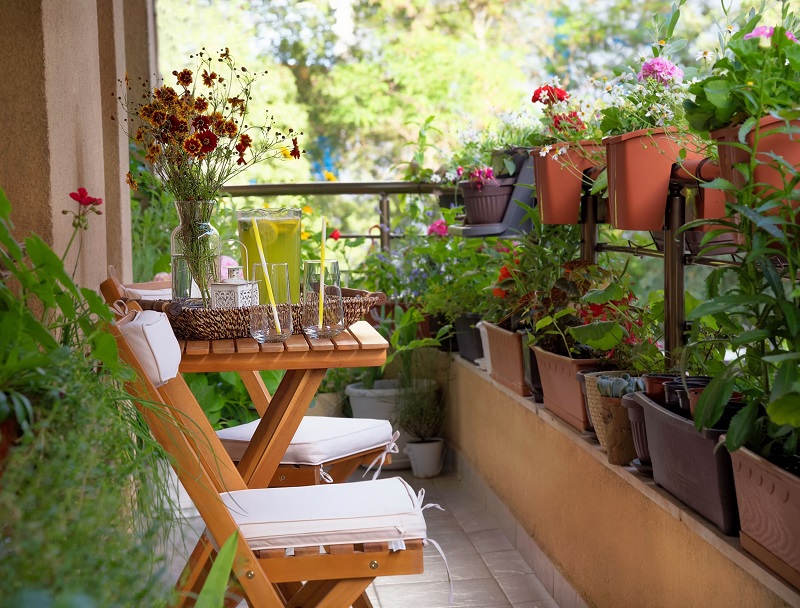
Turning your balcony into a green paradise is a rewarding project, no matter its size. With the right approach, you can fill it with beautiful plants and create a lush oasis. Here are some tips to get you started and make the most of your balcony garden:
Assess Your Space:
Measure the dimensions of your balcony and be aware of any architectural functions, such as railings or walls, which can affect your gardening plans. Determine the amount of daylight your balcony gets during the day and discover areas which can be shaded or uncovered to direct sunlight. Consider environmental factors, which include wind exposure, temperature fluctuations, and air pollution stages that could affect the plant boom of your balcony.
Additional suggestions:
- Take photographs of your balcony from exclusive angles to help visualise capability lawn layouts.
- Use a balcony gardening app or online tools to create a digital plan of your balcony garden earlier than planting.
Work Vertically:
Utilise vertical area on your balcony by putting in hanging planters, trellises, or shelving gadgets. Vertical gardening lets you maximise space and grow loads of flowers without taking over the treasured floor area. Consider using vertical planters or wall-mounted racks to create a green wall effect and add visible interest to your balcony.
Additional recommendations:
- Choose lightweight, climate-resistant substances for vertical planters to make certain they are able to resist outside conditions.
- Mix and fit special plant varieties and colourations to create a dynamic vertical lawn display.
Choose Plants Wisely:
Select plant life that might be properly applicable to your balcony’s sun publicity and weather conditions. Consider elements such as daylight, wind exposure, and temperature fluctuations when choosing plants for your balcony lawn. Research plant sorts which are recognised to thrive in field gardens and are appropriate for your unique developing area.
Additional pointers:
- Consult with nearby garden centres or nurseries for expert advice on deciding on plant life which might be adapted to your area’s climate and growing situations.
- Experiment with a mixture of annuals, perennials, herbs, and edible plant life to create a numerous and colourful balcony lawn.
Consider Succulents:
Succulents are excellent choices for balcony gardens, especially if your space receives plenty of sunlight and heat. These low-protection flora come in numerous shapes, sizes, and colours, making them best for adding visible interest to your balcony. Choose succulent varieties that are properly applicable to your balcony’s light conditions and water requirements, and take into account incorporating them into container arrangements or putting planters for delivered effect.
Additional pointers:
- Use nicely-draining potting soil mainly formulated for succulents to save your soggy roots and promote a healthful boom.
- Water succulents sparingly, permitting the soil to dry out between waterings to save you root rot and different moisture-associated problems.
Pay Attention to Heat:
Balconies can get extraordinarily hot, in particular at some point in the summer months. Choose plants that can withstand excessive temperatures and dry conditions, and recall offering shade or refuge for extra sensitive plant life. Water flowers regularly to save from dehydration and wilting, and bear in mind using mulch or protective coverings to retain soil moisture and adjust temperature levels.
Additional pointers:
- Group warmness-tolerant plants together in sunny areas of your balcony to create microclimates that mimic their herbal habitat.
- Install colour sails, umbrellas, or awnings to provide remedy from direct daylight and defend delicate plants from heat strain.
Plan for Wind Protection:
Wind may be an undertaking for balcony gardens, so plan accordingly by deciding on wind-resistant vegetation or developing barriers to shield your flowers from robust gusts. Consider the usage of monitors, windbreaks, or strategically located large vegetation to protect more sensitive specimens. Choose planters and bins with strong bases and steady fastenings to prevent them from tipping over or being blown away in windy situations.
Additional hints:
- Use heavy rocks or weights to anchor lightweight planters and save them from toppling over during windy weather.
- Plant wind-resistant species such as ornamental grasses, bamboo, or shrubs along the rims of your balcony to create a natural windbreak.
Decide on Annuals vs. Perennials:
Choose among annual and perennial vegetation based on your balcony’s climate and your gardening options. Annuals require replanting each year but offer a variety of colours and blooms, while perennials offer yr-spherical interest with much less upkeep. Consider the effort and time required to hold annual and perennial flowers, in addition to their toughness and seasonal boom styles.
Additional recommendations:
- Combine annual and perennial plant life in your balcony garden to create a dynamic and ever-converting show throughout the year.
- Experiment with different plant combinations and preparations to discover the appropriate stability of colour, texture, and shape for your balcony space.
Start Slowly:
If you are new to balcony gardening, start small and, step by step, make bigger your lawn as you gain experience. Experiment with distinctive plants and develop strategies to locate what works in high quality for your space. Begin with some smooth-to-care-for plant life and progressively introduce new varieties as you become more assured of your gardening competencies.
Additional tips:
- Keep a gardening magazine to sing about the development of your balcony garden and record observations, demanding situations, and successes along the way.
- Join online gardening communities or local gardening clubs to connect with different balcony gardeners and proportion hints, ideas, and thoughts.
Invest in a Good Watering Can:
Ensure your plants get hold of good enough water by investing in an excellent watering can. Balcony gardens often require common watering, especially all through hot, dry climates, so choose a watering can it really is easy to apply and holds enough water to your flowers. Consider the use of self-watering packing containers or drip irrigation structures to automate the watering technique and keep steady soil moisture stages.
Additional suggestions:
- Water vegetation should be used early in the morning or overdue at night to minimise evaporation and maximise water absorption.
- Check the moisture degree of your balcony lawn often and adjust your watering schedule as needed, primarily based on weather conditions and plant necessities.
Grow Flowering Vines:
Add vertical hobby on your balcony lawn with the aid of developing flowering vines on trellises or supports. Clematis, candy peas, and different climbing flowers are excellent alternatives for adding shade and perfume to your outside area. Train flowering vines to climb alongside railings, partitions, or pergolas to create lush and alluring surroundings on your balcony.
Additional pointers:
- Provide robust support structures for mountain climbing vines to save them from becoming tangled or broken by means of strong winds.
- Prune flowering vines regularly to promote healthful increase and inspire plentiful blooms throughout the developing season.
Choose Crops Carefully:
Select-fit for human consumption vegetation that thrives in containers and matches your balcony’s developing conditions. Consider elements that include sunlight, space requirements, and your culinary choices when choosing greens, herbs, or results to develop. Research compact kinds of vegetables and fruits that are nicely suitable for field gardening and feature excessive yields in small spaces.
Additional pointers:
- Experiment with partner planting to maximise space and improve pollination and pest manipulation for your balcony garden.
- Incorporate fit-to-be-eaten plant life, along with nasturtiums, pansies, and calendula, into your balcony garden to feature splendour and flavour in your food.
Grow a Herb Garden:
Create a herb lawn for your balcony to revel in clean, flavourful herbs year-spherical. Herbs such as basil, thyme, and parsley are smooth to develop in bins and can be utilised in cooking, cocktails, and natural teas. Choose a sunny spot for your balcony or your herb garden and provide well-draining soil and regular watering to promote healthy growth.
Additional recommendations:
- Harvest herbs often to encourage bushy increase and lengthen the growing season of your balcony herb garden.
- Consider drying or freezing excess herbs for later use or sharing them with friends and neighbours.
Try Dwarf Fruit Trees:
If the area allows, don’t forget to grow dwarf fruit timber on your balcony. Dwarf styles of citrus, apple, cherry, and plum timber are well-appropriate for field gardening and may offer a bountiful harvest of clean fruit in the right conditions. Choose fruit tree varieties that match your balcony’s developing zone and provide good enough daylight, water, and vitamins for superior growth and fruit manufacturing.
Additional tips:
- Prune fruit bushes often to maintain their form and size and sell fruiting spurs and healthful boom.
- Protect fruit bushes from pests and sicknesses with the aid of tracking for signs of infestation and enforcing suitable manipulation measures as needed.
Keep Things Clean:
Maintain a smooth and tidy balcony garden with the aid of using trays or saucers beneath plant boxes to capture water runoff and soil particles. Use rugs or mats to include dirt and dust, and regularly sweep or vacuum the location to keep it looking neat. Dispose of dead leaves, spent flowers, and different organic particles right away to save you mould, mould, and pest infestations in your balcony lawn.
Additional tips:
- Use organic mulches, which include wood chips, straw, or compost, to suppress weeds, preserve soil moisture, and improve soil fertility for your balcony lawn.
- Clean and disinfect gardening gear, bins, and surfaces often to save you the unfold of sicknesses and pests among your flora.
Store Gardening Tools Thoughtfully:
Store gardening equipment and gadgets in a handy vicinity on your balcony, consisting of a basket, tool bag, or potting desk with garage drawers. Protect metallic tools from rust by storing them in the interior or a weatherproof box. Keep your gardening gear organised and easily available by designating a specific garage area for your balcony and frequently preserving and repairing them as needed.
Additional tips:
- Invest in multi-purpose gardening tools that are lightweight, long-lasting, and ergonomically designed for ease of use and luxury.
- Consider installing hooks, cabinets, or pegboards in your balcony walls or railing to dangle and shop gardening equipment and accessories effectively.
Conclusion
This, in short, develops over-balcony gardens for commendable effort, keeping in touch with nature and adorning the open with the several benefits and outputs of outdoors in small city settings. Follow the above-mentioned recommendations and tips. You will be able to create a colourful and sustainable garden on your balcony, which will reflect your style, suit your way of life, and become a retreat for relaxation, creativity, and entertainment at all times of the year. With an outline designed to inspire novices or well-seasoned green thumbs, there is something for everyone on these pages, providing endless opportunities on how to turn your balcony into a green oasis that will bring joy, beauty, and a living element to your home. A time to allow yourself to let the creative juice flow, roll up your sleeves and enjoy with pride the journey of balcony gardening. Realise you have created your small portion of paradise just at hand.