Small Roof Parts Decide How a Texas Storm Ends
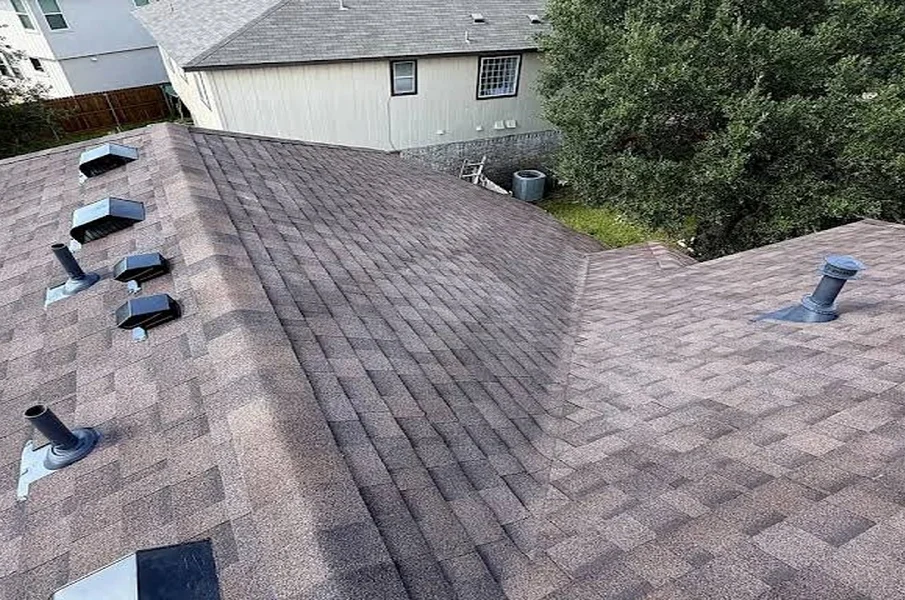
Most homeowners picture a roof as one broad sheet of shingles. In practice it behaves more like a chain, and a North Texas hailstorm or a gusty spring squall line tends to find the weakest link rather than the wide middle of the field. Pipe boots, drip edge, valley metal, ridge caps and the trim tucked under the overhang all carry far less material than the shingles around them, and that is usually where the first drip of a leak begins.
Crews working across the Dallas Fort Worth area see this pattern after nearly every storm season, and it shapes how a careful inspection unfolds. A local team such as Guardian Angel’s Roofing and Construction will often start at the edges and penetrations, photograph what the weather did there, and only then step back to judge whether the whole roof needs replacing or a focused repair will do. That order makes sense, because the small parts tell the most honest story about what a storm left behind.
Where Water Gets Its First Invitation
Every plumbing stack that pokes through your roof is sealed with a pipe boot, usually a metal flange wrapped around a rubber collar. That rubber is the softest thing on the entire roof. Years of Texas sun bake it until it shrinks and splits, and a single hard hailstone can tear an already brittle collar open. Once the seal fails, water runs straight down the pipe into the attic, often staining a ceiling several feet away from the actual entry point.
Bath fans and furnace flues rely on flashing that heat cycles slowly loosen. Painting exposed vent pipes to match the roof is more than a cosmetic finish. A coat of exterior paint shields plastic from ultraviolet breakdown and buys the collar a few extra years.
The Thin Metal Line at the Edge
Drip edge is the narrow strip of bent metal along the eaves and rake edges. It looks like trim, yet it does real work by kicking water past the fascia board and into the gutter instead of letting it wick back under the shingles. The International Residential Code calls for drip edge on asphalt shingle roofs, but plenty of older Texas homes were roofed without it, and the evidence shows up as soft, darkened fascia and rotted decking along the first course of shingles.
Gutters and downspouts belong to this edge zone too. After a hail event, fresh dents in aluminum gutters are one of the first things an adjuster looks for, since soft metal records impacts far more clearly than shingles do.
Valleys Carry More Than Their Share
Wherever two roof planes meet, the valley between them collects water from both. It also gathers leaves, twigs and loose granules. Open metal valleys shed debris better than closed cut ones, but both depend on precise installation.
A granule trail fanning out at the bottom of a valley is a warning worth noticing. Those shingles are wearing faster than the rest.
Hail That Seems Too Small to Matter
The National Weather Service treats hail one inch across or larger as severe, and the NOAA National Severe Storms Laboratory hail overview explains how storms build those stones inside powerful updrafts. North Texas sits squarely in the zone where such storms are routine every spring.
Smaller hail deserves more respect than it gets, though. Research from the Insurance Institute for Business and Home Safety found that repeated barrages of sub severe hail can age asphalt shingles dramatically, and that weathered shingles became roughly ten times more vulnerable to later large hail. In other words, a few “nothing” storms can quietly set a roof up for a much bigger loss down the road.
After any hail, these small part clues often appear before obvious shingle damage does.
- Round dents or chipped paint on turbine caps, vent hoods and the tops of flashing.
- Fresh spatter marks where hail scrubbed oxidation off metal or grime off painted surfaces.
- Heavy granule piles at downspout outlets or in the splash area below them.
- Shingle bruises that feel soft or spongy under a thumb, like pressing a ripe fruit.
- Cracked or torn rubber collars around plumbing vents.
When a roof is due for replacement anyway, impact rated shingles tested to the UL 2218 Class 4 standard are worth pricing out. Many Texas insurers offer premium credits for them, though performance still varies from one product line to another.
Turbines, Ridge Vents and the Attic’s Lungs
Your attic breathes through intake vents low in the soffits and exhaust vents near the ridge. In a Dallas summer, an attic without good airflow can climb well past outdoor temperatures, and that trapped heat cooks shingles from underneath, shortening their life even when no storm ever arrives.
Spinning turbines are common across the region, and they are surprisingly fragile. A dent from hail can throw the head off balance, so it wobbles, squeals and eventually seizes. A bent one can also let wind driven rain slip inside. Ridge cap shingles face a different threat. Sitting at the highest point, they take the strongest wind gusts and are often the first pieces to lift or crease during a severe thunderstorm.
Soffit and Fascia, the Overlooked Trim
The underside of the roof overhang rarely gets a second glance, which is exactly why problems there linger. Fascia boards rot quietly when drip edge is missing or gutters overflow. Soffit panels loosen in high winds and leave openings for wasps, birds and squirrels to move into the attic. Wind driven rain can also push sideways through damaged soffit vents and soak insulation from the edges inward.
Gaps or peeling paint where fascia meets siding suggest water has been running somewhere it should not.
Reading the Details Before Making the Big Call
Once the small parts have been checked, the larger decision usually becomes clearer. A single cracked pipe boot, a few missing ridge caps or a dented turbine on an otherwise healthy roof points toward repair. Widespread bruising across several slopes, brittle tabs that crack when lifted, and heavy granule loss on every face suggest the roof has reached the end of its useful life, whether a storm finished it off or age did.
For insurance purposes, adjusters frequently mark off a ten by ten foot test square on each slope and count impacts inside it. Dated photos of the roof, gutters and vents taken soon after a storm make that conversation far more productive.
It also pays to be wary of anyone who knocks on the door the morning after a big hail day, offers to waive a deductible, or pushes for a signature on the spot. Reputable contractors are happy to inspect first, explain what they found in plain language, and let you decide at your own pace.
A roof rarely fails all at once. It fails at a collar, a seam, an edge or a vent, and then the damage spreads inward. Paying attention to those small parts after each storm season is the simplest way to keep a minor repair from turning into a ceiling, insulation and decking bill that nobody wanted.