Innovative Power Distribution Solutions for Commercial Buildings
In the realm of commercial buildings, efficient power distribution is crucial to maintaining seamless operations, minimizing energy costs, and ensuring safety. As technology continues to advance, innovative power distribution solutions are emerging, transforming how electricity is managed and utilized in commercial spaces. These innovations not only enhance operational efficiency but also contribute to sustainability and resilience. This article explores the latest trends and technologies in power distribution for commercial buildings, highlighting the benefits they offer and the future direction of this critical sector.
The Importance of Power Distribution in Commercial Buildings
Power distribution systems are the backbone of any commercial building’s electrical infrastructure. They ensure that electricity is delivered safely and efficiently from the utility source to various endpoints, including lighting, HVAC systems, office equipment, and more. A robust power distribution system is essential for several reasons:
Operational Efficiency: Reliable power distribution minimizes downtime and disruptions, enabling businesses to operate smoothly.
Safety: Properly designed and maintained power distribution systems protect against electrical hazards, such as short circuits and overloads.
Energy Efficiency: Advanced power distribution solutions can optimize energy use, reducing waste and lowering utility bills.
Scalability: As businesses grow and evolve, flexible power distribution systems can adapt to changing needs and new technologies.
Key Innovations in Power Distribution
Recent advancements in technology have introduced several innovative solutions that are revolutionizing power distribution in commercial buildings. These innovations focus on improving efficiency, enhancing safety, and integrating renewable energy sources.
Smart Panels and Circuit Breakers
Smart panels and circuit breakers are at the forefront of modern power distribution solutions. What is a circuit breaker? Traditional circuit breakers only provide basic protection, while smart breakers offer advanced features such as real-time monitoring, remote control, and predictive maintenance. By collecting and analyzing data on electrical usage and conditions, these devices can identify potential issues before they become serious problems, ensuring continuous operation and safety.
Smart panels integrate these intelligent circuit breakers with other monitoring and control systems, providing a centralized platform for managing the building’s electrical infrastructure. Facility managers can access detailed insights into energy consumption, identify inefficiencies, and make informed decisions to optimize performance.
Energy Management Systems (EMS)
Energy management systems are comprehensive platforms that oversee the entire power distribution network within a commercial building. These systems use advanced algorithms and real-time data to monitor, control, and optimize energy usage. EMS can adjust lighting, HVAC, and other systems based on occupancy and usage patterns, ensuring energy is used efficiently without compromising comfort or productivity.
Moreover, EMS can integrate with renewable energy sources, such as solar panels and wind turbines, to manage the flow of electricity from these sources to the grid. By balancing supply and demand, these systems help reduce reliance on fossil fuels and lower carbon footprints.
Modular Power Solutions
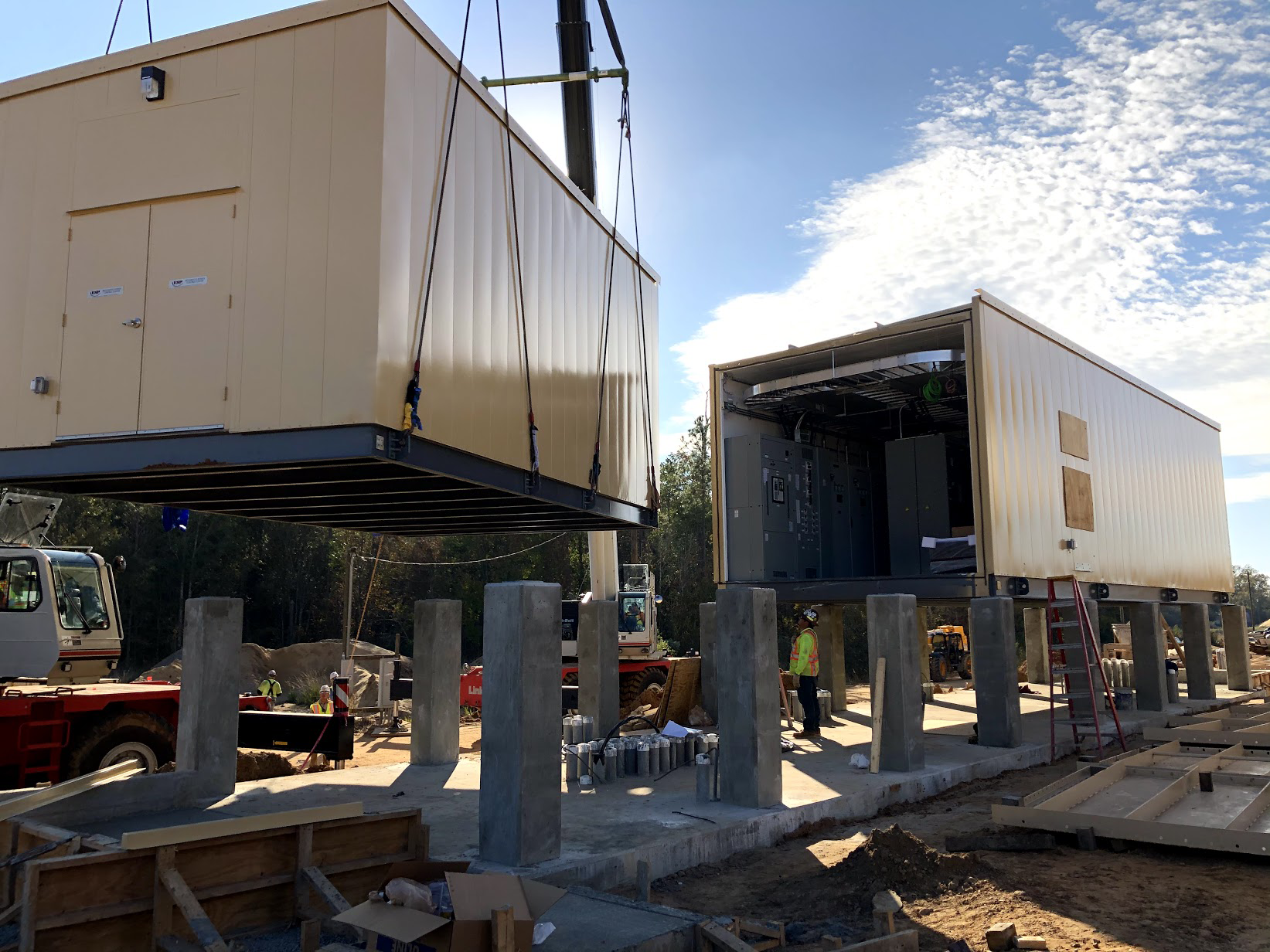
Modular power distribution units (PDUs) offer flexibility and scalability, making them ideal for commercial buildings that need to adapt to changing requirements. These units can be easily added or reconfigured as needed, providing a cost-effective way to expand or upgrade the electrical system.
Modular solutions are particularly beneficial for data centers and other high-tech facilities that require precise power management and rapid response to changing demands. By allowing for incremental upgrades, modular PDUs reduce the need for extensive overhauls and minimize downtime during installation or reconfiguration.
Wireless Power Distribution
Wireless power distribution is an emerging technology that promises to simplify electrical installations and enhance safety. By eliminating the need for physical wiring, wireless systems reduce the risk of electrical hazards associated with faulty or damaged cables. These systems use inductive or capacitive coupling to transmit power across short distances, making them suitable for specific applications such as powering sensors, lighting, and small electronic devices.
While still in the early stages of adoption, wireless power distribution has the potential to revolutionize the way electricity is delivered in commercial buildings, offering greater flexibility and ease of installation.
Internet of Things (IoT) Integration
The integration of IoT devices into power distribution systems is transforming how buildings are managed and maintained. IoT sensors and devices can monitor various parameters, such as temperature, humidity, and electrical loads, providing real-time data that can be used to optimize performance and detect issues early.
For example, IoT-enabled power meters can track energy usage at a granular level, allowing facility managers to identify specific areas of waste and implement targeted improvements. IoT integration also facilitates predictive maintenance, where data analytics are used to predict equipment failures and schedule maintenance before problems occur, reducing downtime and repair costs.
The Role of Microgrids
Microgrids are localized power grids that can operate independently or in conjunction with the main utility grid. They are an innovative solution for enhancing the resilience and sustainability of power distribution in commercial buildings. Microgrids can incorporate renewable energy sources, such as solar and wind, along with energy storage systems like batteries, to provide a reliable and sustainable power supply.
In the event of a grid outage, microgrids can continue to supply power to critical systems, ensuring business continuity. They also enable better management of energy resources, reducing dependence on the main grid and lowering energy costs. Microgrids are particularly advantageous for large commercial complexes, campuses, and industrial parks, where maintaining uninterrupted power is crucial.
Addressing Challenges in Power Distribution
While these innovative solutions offer significant benefits, implementing them in commercial buildings comes with challenges:
High Initial Costs: Upgrading to advanced power distribution systems can require substantial investment. However, the long-term savings in energy costs and maintenance often justify the initial expenditure.
Integration with Existing Systems: Retrofitting older buildings with new technology can be complex and may require significant modifications to existing infrastructure.
Cybersecurity: As power distribution systems become more connected and reliant on digital technologies, they are also more vulnerable to cyberattacks. Ensuring robust cybersecurity measures is essential to protect critical infrastructure.
Future Trends in Power Distribution
The future of power distribution in commercial buildings will likely see continued advancements in technology and increased integration of renewable energy sources. Key trends to watch include:
Artificial Intelligence (AI): AI will play a growing role in managing power distribution systems, using machine learning algorithms to optimize performance, predict failures, and enhance energy efficiency.
Blockchain Technology: Blockchain can enhance the security and transparency of power transactions, particularly in microgrids and peer-to-peer energy trading.
Advanced Energy Storage: Improvements in battery technology and other energy storage solutions will enhance the capability of microgrids and allow for more effective management of renewable energy.
In conclusion, innovative power distribution solutions are transforming commercial buildings, making them more efficient, resilient, and sustainable. From smart panels and energy management systems to modular solutions and microgrids, these technologies offer significant benefits that go beyond traditional power distribution methods. As these innovations continue to evolve, they will play a crucial role in meeting the growing demands for energy efficiency and sustainability in commercial spaces. Understanding and leveraging these advancements will be key to maintaining competitive and operationally efficient commercial buildings in the future.