Cleanliness in Office Premises: Why It Matters for Productivity
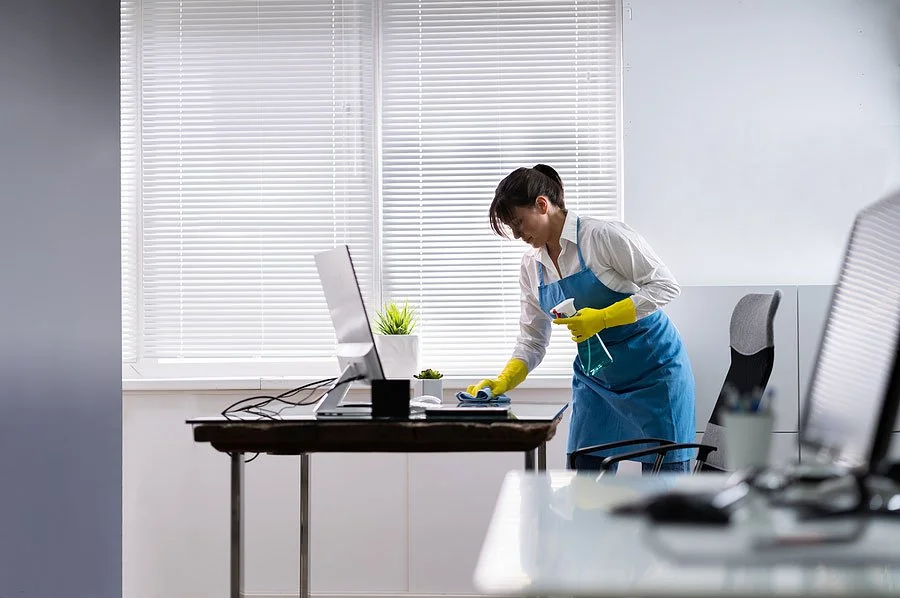
The connection between a tidy workspace and employee output is well documented, and prioritising cleanliness in office premises is one of the simplest ways to boost overall business performance. A clean office does more than look good – it directly influences how people feel, think, and work throughout the day. Businesses that overlook this connection risk losing productivity to preventable causes such as illness, distraction, and low morale.
The Science Behind Clean Spaces and Productivity
Research consistently shows that physical environments have a measurable impact on cognitive performance. A study published in the Journal of Neuroscience found that clutter competes for attention, reducing the brain’s ability to focus. When workspaces are clean and organised, employees can concentrate more effectively on their tasks.
Indoor air quality also plays a significant role. Dust, mould spores, and allergens that accumulate in poorly maintained offices contribute to respiratory issues and fatigue. The World Green Building Council reported that improved air quality alone can increase productivity by up to 11 percent. Regular cleaning removes these pollutants and creates an environment where people can breathe freely and think clearly.
How a Dirty Office Hurts Output
The effects of neglected office hygiene extend beyond personal discomfort. Several measurable consequences directly impact the bottom line.
Increased Sick Leave
Germs spread rapidly in shared office environments. Keyboards, phones, door handles, and communal kitchen areas are hotspots for bacteria and viruses. Without regular sanitisation, illness moves through the workforce quickly, leading to higher absenteeism. The cost of lost workdays adds up significantly over the course of a year.
Reduced Focus and Motivation
Cluttered desks, stained carpets, and overflowing bins create visual noise that distracts employees. Over time, working in an unkempt environment erodes motivation. Staff may feel that management does not care about their comfort, leading to disengagement and reduced effort.
Lower Quality of Work
When employees struggle to find documents on messy desks or feel unwell due to poor air quality, the quality of their output suffers. Errors increase, deadlines slip, and the overall standard of work declines. These seemingly small issues compound into significant performance gaps.
As Lee Kuan Yew once observed, “A clean and green environment is the most important infrastructure for any country.” The same logic applies to every office – the environment is the infrastructure upon which productive work is built.
Practical Steps to Maintain Office Hygiene
Improving workplace cleanliness standards does not require a massive budget. A combination of professional cleaning services and good daily habits can transform any office environment.
Establish a Regular Cleaning Schedule
Work with a professional cleaning provider to create a schedule that covers daily, weekly, and monthly tasks. Daily tasks should include floor cleaning, bin emptying, and washroom sanitisation. Weekly tasks might cover kitchen deep cleaning and surface disinfection. Monthly or quarterly sessions can address carpet cleaning, window washing, and high-level dusting.
Focus on High-Touch Areas
Door handles, lift buttons, shared printers, and kitchen appliances are touched by dozens of people every day. Prioritising the cleaning of these surfaces reduces germ transmission and keeps illness rates down.
Encourage Personal Responsibility
While professional cleaners handle the heavy lifting, employees play a role too. Encourage staff to keep their desks tidy, clean up after themselves in the kitchen, and report spills or maintenance issues promptly. Simple habits make a noticeable difference when adopted across the entire team.
Provide Adequate Supplies
Ensure that hand sanitiser, disinfecting wipes, and cleaning sprays are readily available throughout the office. When employees have easy access to these items, they are far more likely to use them.
Declutter Regularly
Unused files, old equipment, and unnecessary items take up space and collect dust. Schedule regular decluttering sessions to keep the office streamlined and easy to maintain.
The Role of Professional Cleaning Services
While good habits help, professional cleaning delivers a level of thoroughness that in-house efforts cannot match. Commercial cleaning teams use industrial-grade equipment and products that remove dirt, bacteria, and allergens far more effectively than standard supplies.
Professional providers also bring consistency. They follow checklists, rotate through tasks systematically, and maintain quality standards that do not fluctuate based on individual effort. For businesses serious about maintaining a productive environment, outsourcing cleaning to experts is the most reliable approach.
Measuring the Impact
Businesses that invest in cleanliness often see improvements in several key metrics:
- Reduced sick leave and absenteeism rates
- Higher scores on employee satisfaction surveys
- Improved client feedback following office visits
- Fewer maintenance requests and equipment issues
- A general uplift in team morale and collaboration
These gains may not appear overnight, but they accumulate steadily and deliver a strong return on investment over time.
Conclusion
A clean office is not merely a matter of appearance – it is a strategic asset that supports the health, focus, and motivation of everyone who works within it. By committing to high standards of cleanliness in office premises, businesses create the conditions for their teams to perform at their best every single day.