Gardening Basics That Help Beginners Build Healthier Outdoor Spaces
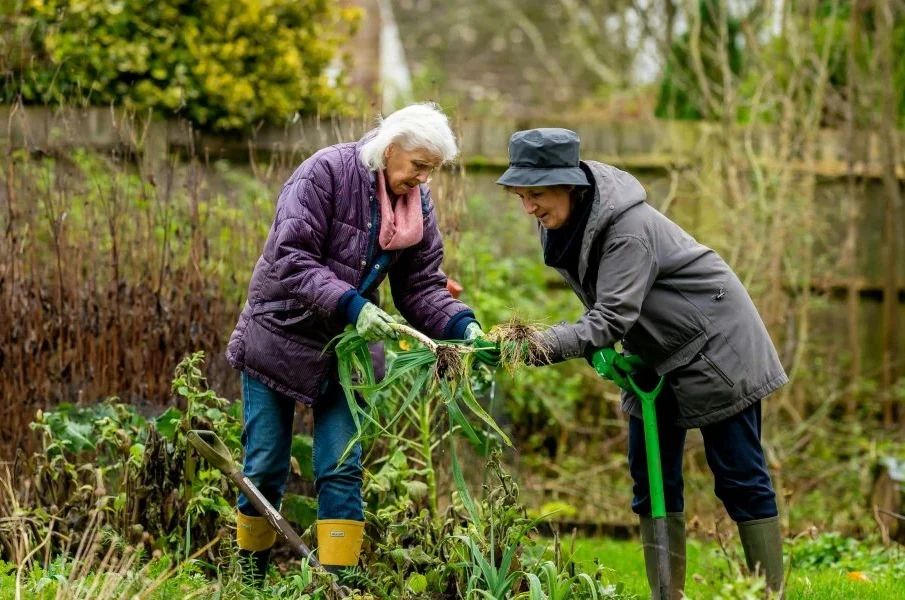
Gardening is a great way to create a productive, attractive and relaxing area in the outdoors. But, as a beginner, all those choices can get overwhelming when it comes to plants, soil and watering and maintenance. Understanding a few basic concepts of gardening can help to make it easier and to help develop a healthier garden that will become a garden that will thrive over time.
For beginners, having a clear Gardening Overview can make it easier to understand how different elements of a garden work together. Before planting, consider factors such as sunlight, soil quality, drainage, plant selection, watering needs, and ongoing maintenance. Taking time to understand these basics allows gardeners to make more informed decisions, avoid common mistakes, and create an outdoor space that is both attractive and easier to maintain. As experience grows, these foundational practices can also provide a useful starting point for experimenting with new plants and gardening techniques.
Use the correct initial location.
One of the first steps to successful gardening is to find a location that is suitable. Most flowering plants and vegetables require several hours of daily sunlight, others will thrive in partial or full shade. If you are new to gardening look at how the light changes over the course of the day and then choose where to grow plants according to the available light. Well drainage is also a consideration, as water that stays in the roots can cause root issues and promote disease.
Understand Your Soil
Soils support, nourish and water plants if they are healthy. Gardeners should test the soil before planting to determine if it is sandy, clay or organic. The mixing of compost or other appropriate organic materials could enhance the structure and fertility of the soil. A standard soil analysis can also be used to determine nutrient levels and the soil’s pH so gardeners can select plant species that can thrive in the existing soil.
Choose Suitable Plants
For novices, planting should be done based on the local climate, available sunlight and soil. Native or well-adapted plants are sometimes less difficult to maintain since they will like the local surroundings. It’s also good to start with just a few plants and not too many at a time. Knowing the mature size helps preclude the problem of overcrowding later.
Learn Proper Watering
Proper watering is crucial to plant growth. Freshly established gardeners sometimes overwater or underwater their plants. Unlike a set schedule, examine soil moisture and take into account current weather conditions. Deep and occasional waterings promote better root growth. Watering close to the plant can also help minimise the amount of water on the foliage.
Use Mulch Effectively
Mulching is a basic gardening practice that can help maintain a healthy garden. Dried leaves, straw or wood chips will help to hold moisture, help to control temperature and reduce weed growth. When applying mulch, it should not come in contact with the stem or trunk of a plant as too much moisture around the base can lead to issues.
Practice Regular Maintenance
Keeping an eye on and caring for gardens is essential to a healthy garden. The beginner is advised to weed periodically, check for pests and diseases, prune as needed and prune out any damaged areas regularly. Problems are easier to control and will not spread throughout the garden if identified early.
Encourage Garden Biodiversity
A variety of plants can make an outdoor space more resilient. Attractive flowers, herbs, shrubs and ground covers can feed and support beneficial insects and other wildlife. Using good lawn management practices can also help to maintain them.
Conclusion
The first step to successful gardening is to know what plants need and to provide them with proper growing conditions. He knows how to place them in the right directions, how to improve the soil, how to choose the right plants, how to water them correctly and how to use mulch and how to maintain the garden.