How to Spot Counterfeit BWP Plywood Sold Under a Genuine Brand Name
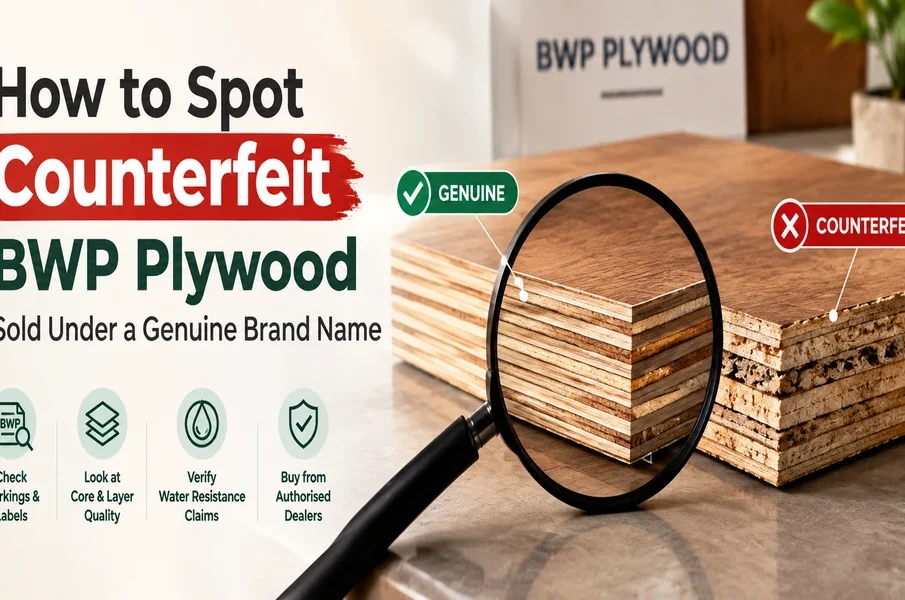
Acquiring Boiling Waterproof plywood from a reputable manufacturer does not necessarily guarantee the authenticity of the plywood supplied. Counterfeit or inferior products can sometimes be marketed under reputable brands, which only becomes evident after the product has been installed. As plywood is normally hidden behind other surfaces, checking it before installation is far easier than doing it after failure has occurred.
One can, however, conduct a number of verification processes to determine the authenticity of the plywood supplied. Certification; identification; documentation; physical verification; supplier authentication can provide a reliable means to know if the plywood supplied meets the requirements of the buyer.
Start with Checking for ISI Marks and IS 710 Certification
If the buyer is purchasing Boiling Waterproof Plywood (BWP), they should first check for ISI marking and IS 710 certification. The BWP plywood should have all the necessary documentation and markings, and the IS 710 certification is an important requirement which should be checked during the purchase of BWP plywood.
However, it should not end at just checking for ISI marking. One should also ask for the relevant product certification and documentation from the supplier to ensure that the plywood matches the description, specifications and production sources. The certification is just a verification facet, not something to be based only on the fact that a logo has been affixed to the product.
Verify the Sheet Against the Brand Documentation
When you get drywall sheets, they may look the same on the outside. That’s why you have to check it against your invoice, order, packaging, and product specifications.
Check whether the sheet’s grade, thickness, specifications, and manufacturer match the ones indicated. When purchasing a large quantity, request detailed specifications before accepting delivery. The available material states that prospective buyers should request information from suppliers regarding wood type, veneer thickness, and glueing process. If you find anything unclear in the documents provided by the supplier or notice that the supplier does not want to offer basic technical details, take it as a warning signal.
Inspect the Plywood Before Installation
Performing an actual inspection may reveal discrepancies that the documents do not contain. Before receiving delivery, verify the edges, veneer layers, surface finish, etc. The available material states that you have to determine if the veneer bond feels strong, edges don’t have cracks, surfaces are smooth, and sheets don’t move. Bubbling indicates delamination.
In case you plan to make a large order, ordering a sample for inspection is a practical solution for buyers. By receiving a sample prior to the full order, a buyer, architect, contractor, or carpenter may check the quality of construction and compare it with specifications provided by the manufacturer before installation.
Be Wary of Unusually Low Prices
While price can’t determine counterfeiting of plywood alone, drastic price differences can raise questions. The available material provides some warning signals for buyers when evaluating suppliers, including unexpectedly low prices, lack of certification, unclear specifications, absence of supplier references, etc.
When researching plywood quotes, compare quotes for products with the same grade, thickness, specifications, etc. instead of reviewing just the per-sheet price. A lower quote may indicate differences in the specifications of products, but the supplier should always explain the reasons for pricing clarity.
Evaluate the Supplier and Address Issues Before Installation
Purchasing plywood sheets from reputable suppliers or authorised dealers is another great way to protect yourself from the negative consequences of counterfeiting. Conducting some background research about the supplier as well as asking for references is recommended. You have to double-check that the supplier is available to reply to technical inquiries and provide specifications in writing.
If plywood seems to be different from what was ordered, you need to refrain from installing it immediately. Keep all documentation that includes the invoice, quotes, packaging, pictures, and other traces of information. Compare the delivered product with the invoice details and contact either the manufacturer or an authorised dealer. Make sure that you keep these records when the supplied item does not match what was promised.
Conclusion
Spotting counterfeit BWP plywood is no longer a matter of identifying just one visual clue. Instead, use all information provided – ISI/BIS certification, details of the manufacturer, product markings, written specifications, physical construction, supplier details, price.
As long as a buyer takes precautions and as long as buyers check that the received plywood matches documented specifications, installing any reputed plywood manufacturer’s product will not result in negative consequences.