Identifying Asbestos in Navy Military Housing
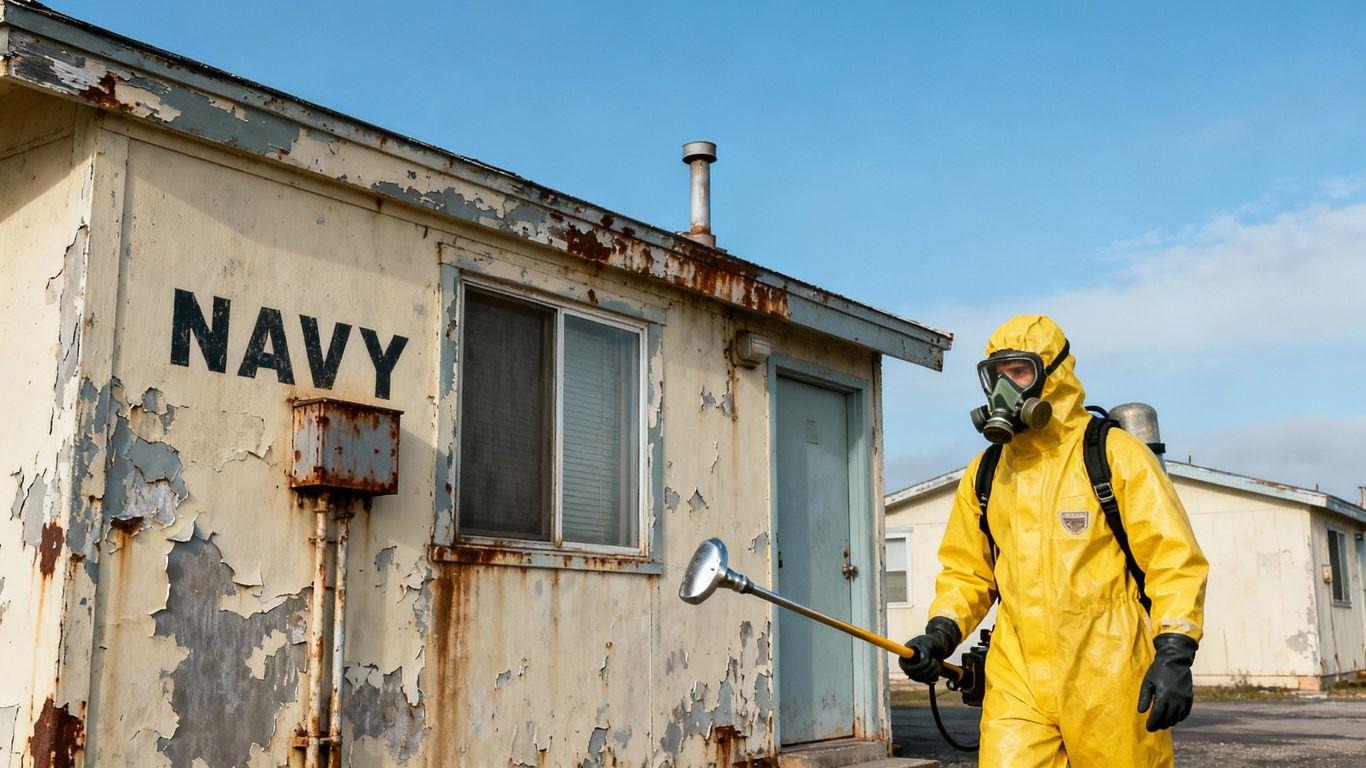
When living in Navy military housing, especially older homes, it’s smart to know about asbestos. This material was used a lot in building from the 1930s up to the 1980s. The danger comes when these materials get old or damaged, releasing tiny fibers into the air. These fibers can be breathed in, and that’s where the health problems start. It’s not always obvious if something contains asbestos, so knowing where to look and what to watch out for is key.
Common Locations of Asbestos-Containing Materials
Asbestos was mixed into many building products to make them stronger and more resistant to heat and fire. You might find it in:
- Insulation: This includes pipe insulation, attic insulation, and insulation around boilers or furnaces.
- Flooring: Vinyl floor tiles and the adhesive used to stick them down often contained asbestos.
- Ceiling Tiles: Many older acoustic ceiling tiles were made with asbestos.
- Textured Paints and Coatings: Some popcorn ceilings and decorative wall coatings had asbestos added.
- Roofing and Siding: Asbestos cement shingles and roofing felt were common.
- Duct Insulation: The material around heating and cooling ducts could contain asbestos.
Historical Use of Asbestos in Construction
For decades, asbestos was a go-to material for builders. Its properties made it seem like a miracle substance. It was cheap, readily available, and offered great protection against fire and heat. This led to its widespread use in everything from homes to schools and commercial buildings. For military families, this means many older housing units built during this period could have asbestos-containing materials. Understanding this history helps explain why it’s still a concern today, especially for those who lived in older homes on base. If you’re curious about specific building materials, you can look into resources about asbestos in construction.
Recognizing Potential Asbestos Hazards
Spotting potential asbestos isn’t always straightforward. The main risk isn’t the material itself, but when it’s disturbed. Look for:
- Damaged Materials: Crumbling insulation, cracked tiles, or peeling paint on surfaces that might contain asbestos are red flags.
- Friable Materials: These are materials that can be crumbled or powdered by hand. They are more likely to release fibers.
- Recent Renovations or Repairs: Work done on older homes, especially without proper precautions, can stir up asbestos fibers.
If you suspect a material might contain asbestos, the best course of action is to leave it alone and report it. Trying to test or remove it yourself can be dangerous. Professional testing is the only way to know for sure if asbestos is present.
Health Implications of Military Housing Asbestos Exposure
Understanding Asbestos-Related Diseases
Exposure to asbestos fibers can lead to serious health problems, often developing years after initial contact. These diseases typically affect the lungs and the lining of organs. The most well-known conditions include asbestosis, a chronic lung disease that causes scarring and shortness of breath; mesothelioma, a rare but aggressive cancer of the lining of the lungs, abdomen, or heart; and various forms of lung cancer. The latency period for these diseases can be quite long, often 10 to 40 years or more, meaning symptoms may not appear until long after exposure has occurred. This makes it difficult to directly link past exposures to current health issues without careful record-keeping and awareness.
Long-Term Health Risks for Families
While military personnel might be exposed during their service, families living in housing can also face risks, especially if asbestos-containing materials are disturbed. Children are particularly vulnerable due to their developing bodies and the longer potential lifespan they have to develop asbestos-related illnesses. Even low-level, long-term exposure in a residential setting can contribute to health concerns over time. It’s not just about direct contact; airborne fibers can settle and be re-suspended, creating ongoing exposure risks within the home environment. This is why maintaining the integrity of building materials is so important.
The Importance of Early Detection
Given the long latency period of asbestos-related diseases, early detection is challenging but vital. Regular health check-ups are recommended for anyone with a history of asbestos exposure, particularly those living in older housing where asbestos might be present. Doctors may use imaging tests like X-rays or CT scans to monitor lung health. While there is no cure for asbestosis, treatments can help manage symptoms and improve quality of life. For cancers, early diagnosis often leads to better treatment outcomes. Awareness of potential symptoms, such as persistent cough, chest pain, or unexplained weight loss, is key for residents to seek timely medical attention.
Navy’s Approach to Military Housing Asbestos Management
The Navy takes a structured approach to managing asbestos in military housing, aiming to protect residents and comply with health and safety rules. This involves several key areas, from checking regulations to letting people know what’s going on.
Regulatory Compliance and Standards
The Navy works to follow all federal and state rules about asbestos. This means keeping up with guidelines set by agencies like the Environmental Protection Agency (EPA) and the Occupational Safety and Health Administration (OSHA). Adherence to these standards is paramount for resident safety. They also look at specific military housing policies to make sure everything is covered. This includes understanding the risks associated with materials used in older buildings, which is a common issue in many housing areas. For more on the experiences of military families with housing issues, you can check out housing experiences.
Inspection and Testing Protocols
Regular checks are a big part of the Navy’s plan. When housing is built, renovated, or if there’s a concern, trained professionals inspect the property. They look for materials that might contain asbestos, like old insulation, tiles, or pipe wrap. If suspect materials are found, they are sent to accredited labs for testing. This testing confirms whether asbestos is present and in what concentration. These protocols help identify potential hazards before they become a problem for families living in the homes. Navy veterans, in particular, might have had exposure during their service, so awareness is key, as noted in discussions about Navy veterans’ risks.
Resident Notification Procedures
Keeping residents informed is a priority. When asbestos is identified in a housing unit or common area, or if abatement work is planned, residents are notified. This notification usually includes details about:
- The location and type of asbestos-containing material found.
- The planned course of action, such as testing or removal.
- Any temporary relocation requirements or safety measures needed.
- Contact information for questions or concerns.
This open communication helps residents understand the situation and take necessary precautions to protect their families’ health.
Asbestos Abatement and Removal Processes
When asbestos is identified in Navy military housing, a structured approach to its removal, known as abatement, is put into action. This process is highly regulated and requires specialized knowledge to protect residents and the environment.
Professional Asbestos Abatement Services
Only certified and licensed professionals should undertake asbestos abatement. These individuals have the training and equipment necessary to handle asbestos safely. They follow strict protocols to minimize exposure risks during the removal process. This includes:
- Worker Training: Technicians receive extensive training on safe asbestos handling, personal protective equipment (PPE) use, and emergency procedures.
- Licensing and Certification: Abatement companies must hold specific licenses and certifications required by federal and state regulations.
- Insurance: Reputable abatement firms carry adequate insurance to cover potential liabilities associated with the work.
Containment and Remediation Techniques
Effective containment is key to preventing asbestos fibers from spreading into other parts of the home. The goal is to isolate the work area and manage any released fibers.
- Isolation: The affected area is sealed off using plastic sheeting and negative air pressure machines. These machines pull air out of the contained area, filtering it to remove any airborne asbestos fibers before exhausting it outside.
- Wetting: Asbestos-containing materials are typically wetted down before and during removal. This helps to keep the fibers from becoming airborne.
- Removal: Materials are carefully removed, bagged, and sealed in heavy-duty, labeled containers for proper disposal.
- Cleaning: Once the bulk of the material is removed, the area undergoes thorough cleaning using specialized vacuums equipped with HEPA filters and wet wiping methods.
Post-Removal Verification and Clearance
After the abatement work is completed, a critical step is to verify that the area is safe for reoccupation. This involves independent testing to confirm that asbestos fiber levels are below regulatory limits.
- Visual Inspection: A qualified inspector first conducts a visual check to ensure all visible asbestos debris has been removed and containment measures are properly dismantled.
- Air Sampling: Air samples are collected from the remediated area and sent to an accredited laboratory for analysis. This testing determines the concentration of airborne asbestos fibers.
- Clearance: Only when the air samples meet the required clearance criteria, indicating that the area is free from significant asbestos contamination, is the space cleared for residents to return. This clearance is typically documented by a third-party inspector.
Resident Responsibilities and Safety Precautions
Reporting Suspected Asbestos
If you suspect that asbestos-containing materials are present in your Navy housing, it is important to report it promptly. Do not try to handle or remove suspect materials yourself. Instead, contact the appropriate Navy housing authorities or the Facilities Engineering Command. They have established procedures for inspecting and testing these materials. Prompt reporting helps prevent potential exposure and ensures that any necessary abatement is handled by trained professionals.
Avoiding Disturbance of Suspect Materials
Asbestos fibers are released into the air when materials containing them are disturbed. This can happen through activities like drilling, sanding, cutting, or even accidental damage. Therefore, it is vital to avoid any actions that could compromise materials that might contain asbestos. This includes refraining from making alterations or repairs to walls, ceilings, floors, or pipes without prior inspection and approval. If you notice any damaged materials, such as crumbling insulation or cracked tiles, report them immediately without touching them.
Safety Guidelines During Renovation Projects
When undertaking any renovation or repair work in your housing unit, whether minor or major, it is imperative to follow specific safety protocols. Always consult with housing management before starting any project. They can advise on whether an inspection for asbestos is needed. If asbestos is identified or suspected, professional abatement will be required before work can proceed. For any work that might disturb building materials, it’s wise to understand the potential asbestos risks associated with older structures. Following these guidelines protects your family’s health and complies with Navy regulations.
Resources for Navy Families Regarding Asbestos
Navy families living in military housing who have concerns about asbestos have several avenues for information and support. It’s important to know where to turn if you suspect asbestos is present or if you have questions about its management.
Naval Facilities Engineering Command Guidance
The Naval Facilities Engineering Command (NAVFAC) is a primary source for information regarding environmental health and safety within Navy housing. They provide directives and guidelines that outline the Navy’s policies on asbestos management, including identification, testing, and abatement procedures. Families can access these official documents through their local housing office or the NAVFAC website. These resources detail the standards that must be met to keep housing safe and compliant with federal regulations.
Environmental Health and Safety Contacts
Each Navy installation typically has an Environmental Health and Safety (EHS) department. These professionals are trained to address concerns related to hazardous materials, including asbestos. They can assist with:
- Answering specific questions about asbestos in your residence.
- Explaining the testing and inspection process.
- Providing guidance on what to do if you find suspect material.
- Coordinating with maintenance and abatement teams.
Reaching out to your installation’s EHS office is a direct way to get accurate information tailored to your situation.
Support Services for Affected Residents
In situations where asbestos has been identified and abatement is required, or if exposure is a concern, support services are available. These may include:
- Information on temporary housing if your residence needs extensive work.
- Guidance on health monitoring options, especially if there’s a history of disturbance.
- Contact information for specialists who can provide further advice on asbestos-related health issues.
Navigating these issues can be complex, but these resources are in place to help Navy families understand their rights, responsibilities, and the steps being taken to maintain a safe living environment.
Related Articles
• Mesothelioma Veterans Center