Mold Doesn’t Need a Flood, Just a Few Extra Points of Humidity
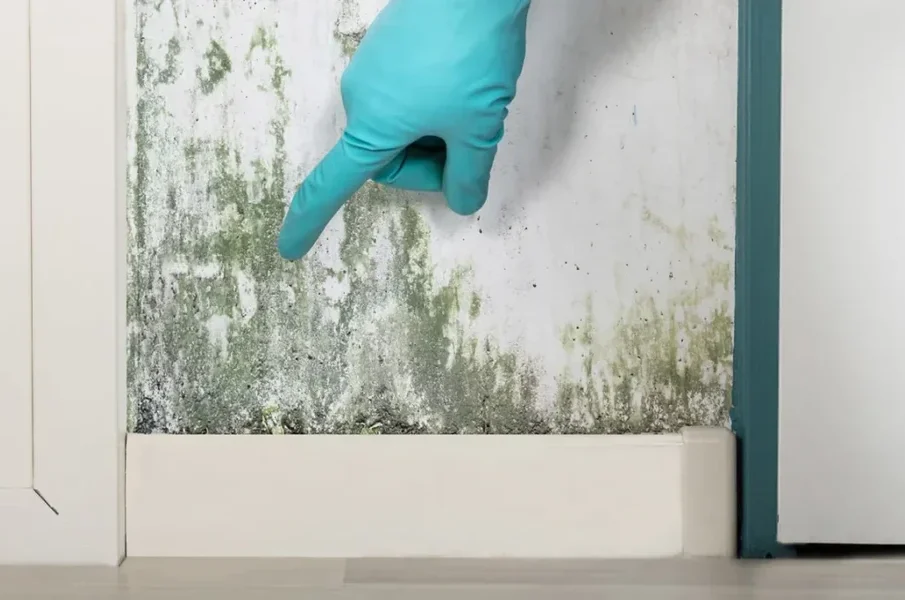
Every home in East Texas already contains mold spores. They ride in on shoes, drift through open doors, and settle into dust on the ceiling fan blades. That is not a failure of housekeeping; it is simply how the outdoors works in a region wrapped in pine forest and humid air. The real question is never whether spores are present. It is whether the house is giving them what they need to wake up and grow.
Mold is surprisingly simple in its demands. It needs moisture, something to eat, a comfortable temperature, and enough time to get established. Take away any one of those and growth stalls. The tricky part is that a typical home supplies three of the four without anyone noticing, so the whole contest usually comes down to water and the clock. Understanding each ingredient makes it far easier to spot trouble early and to judge when a problem has grown past a weekend fix.
Once growth spreads beyond a small patch, the job changes, and that is where homeowners across Gregg, Smith, and Harrison counties turn to the crew at Flood Out Restoration for Long View mold remedeation handled from first inspection to finished walls. The team works hand in hand with State Farm, Allstate, Farmers, USAA, and other major carriers, building scopes in Xactimate so claims move with less friction. Beyond mold removal, they cover structural drying, dehumidification, water extraction, sewage cleanup, pack-out, and full reconstruction, which means one company can fix the cause, the damage, and the aftermath. Dispatch runs 24/7, crews arrive within 60 minutes in Longview, Tyler, Kilgore, and Marshall, and the licensed, insured, IICRC certified technicians work under owner Wes Markum, who has more than 25 years in the restoration trade.
Ingredient One Is Water
Everything starts here. Mold does not need a flood. A few percentage points of extra humidity in a closed room can be enough. The EPA recommends keeping indoor humidity below 60 percent and ideally between 30 and 50 percent, a target many East Texas homes miss for months at a time.
Common local culprits include:
- Air conditioners that are oversized for the house and cycle off before they have pulled moisture from the air
- Bathroom exhaust fans that vent into the attic instead of outside
- Supply vents and attic ductwork that sweat when cold air meets humid attic air
- Closets built against exterior walls, where cool surfaces collect condensation
- A slow drip under a sink or behind a refrigerator ice maker line
Ingredient Two Is Food
Mold digests organic material, and modern homes are full of it. The paper face on drywall, wood framing, carpet backing, ceiling tiles, cardboard storage boxes, and even the dust layer on a surface all count. This is why mold appears on the back of a dresser pushed tight against a wall, or on the bottom of cardboard boxes stored in a garage. You cannot remove the food from a house, which is exactly why controlling water matters so much.
Ingredient Three Is Warmth
Most household molds are comfortable at the same temperatures people are. Keeping a house cold enough to stop them is not realistic. Warmth does play a role in timing, though. The first cool snaps of fall bring a switch from air conditioning to heat, and any damp wall cavity suddenly becomes a warm, humid pocket. That seasonal handoff is a common time for musty smells to appear.
Ingredient Four Is Time
Given moisture and food, mold can begin colonizing a surface within 24 to 48 hours. That short window explains why fast drying after a leak prevents most problems entirely. It also explains why growth found weeks later is often bigger behind the wall than on its face.
Size Changes the Rules
How big the affected area is determines what should happen next, both practically and legally.
The EPA suggests that a homeowner can usually handle a patch smaller than about 10 square feet, roughly a three foot by three foot section, provided there are no health concerns in the household and the moisture source has been fixed.
Texas adds its own layer. The Texas Department of Licensing and Regulation oversees mold work under the Texas Mold Assessment and Remediation Rules. Once contamination reaches 25 contiguous square feet or more, the work generally calls for:
- A licensed mold assessment consultant to inspect and write a protocol
- A separate licensed contractor to carry out the removal, since the rules bar one licensee from doing both jobs on the same project
- Containment that keeps spores from spreading into the rest of the house
- A notification filed with the state before work begins
- A clearance check by the assessor once the work is complete
At the end of a properly documented project, the homeowner can receive a Certificate of Mold Damage Remediation. That paperwork is worth filing away, since it becomes useful when insuring or selling the home later. Homeowners can also verify any license number through the TDLR online search before signing anything.
Shortcuts That Backfire
A few habits feel productive but tend to make things worse:
- Bleaching drywall. Bleach can lighten the stain on the surface while leaving growth inside the porous material. The EPA does not recommend routine use of biocides for cleanup.
- Painting over it. Paint and caulk seal the problem in without stopping it, and the stain often bleeds back through.
- Killing without removing. Dead mold can still trigger allergies and asthma, so contaminated material has to be cleaned off or cut out, not just treated.
- Running a fan across the spot. Moving air over active growth can carry spores to other rooms.
- Ignoring the source. Clean the patch without fixing the leak and it returns, usually in the same place.
Starving It Out
Since food, warmth, and ambient spores will always be present, a mold resistant home is really a dry home. A basic hygrometer costs less than a tank of gas and shows the humidity in any room at a glance. Running bathroom fans for 20 minutes after showers, checking the AC condensate line each spring, leaving a few inches between furniture and exterior walls, and swapping cardboard storage for plastic bins all chip away at the conditions mold depends on.
None of this makes a house sterile, and it does not need to. It simply means the spores that drift in each day find nothing worth staying for.