Behind the Build: How to Choose a Detachable Container Home Production Manufacturer
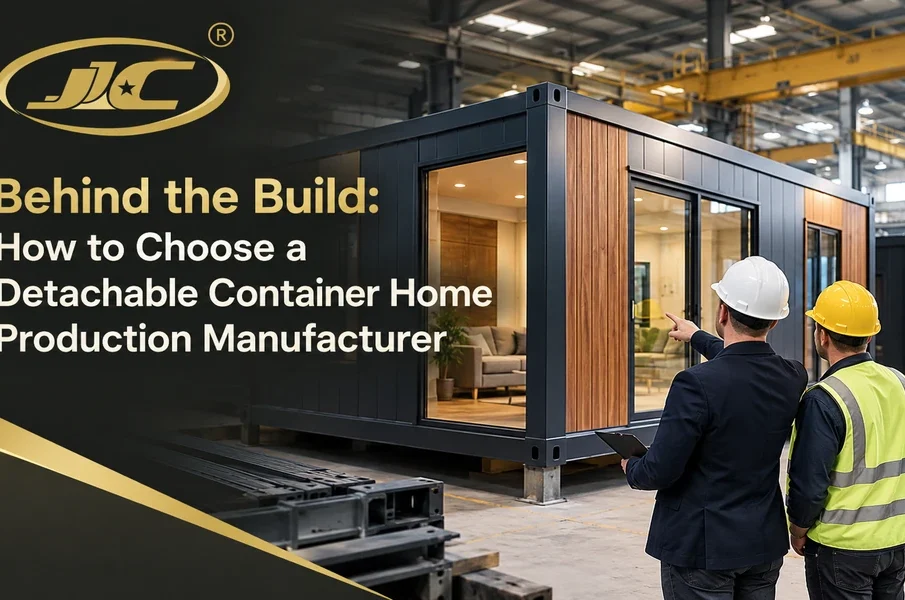
A completed shipping container home may look minimalistic and rugged, but hundreds of components need to work with precision for error-free assembly. The frame must be sturdy, the panels must fit, and assembly − and more importantly, transport − on site should ideally not end in disaster. These details gone wrong can cause delays in the sale, requiring repairs, and ultimately an unhappy customer.
Which is why choosing the right detachable container home production manufacturer is an important business decision. If you are a property developer, importer, contractor, or building supplier, your product catalogue can no longer just be beautiful. You do not just want a design to be done but need a mass-producing factory to replicate your well-crafted structure reliably.
The Factory Test: Will It Be Able to Produce What You Really Need?
Simply presenting photos of various models by a manufacturer does not demonstrate that the company can truly satisfy your most specific requirement. Begin by inquiring how your type of project is managed at the factory.
A contractor might have to match 40 distant units at a remote worksite for example. An owner of a property may desire to have the same home but as per unique room arrangement. A distributor has multiple standard models for future orders.
Producing plans is different for each one of the projects. When seeking a final quote, include the anticipated number of copies needed, dimensions of those copies, layout requirement, or design requirements, dependent on usage and receiving location among other things.
A capable detachable container home production manufacturer should be able to tell you which features are customizable, explain which options come as standard, how custom work impacts the price, and lead time for your container home.
Walk Through the Production Line
A walk through a factory, radio tour, or an individual inspection is always more informative than a sales brochure. Concentrate on the phases most influencing the final structure.
Frame preparation
The primary structural load is contained within the frame. Inquire how the steel parts are cut, connected, and tested. You need to know what corrosion protection is given, and whether the design matches local wind/weather conditions at the destination site.
For hints of the provider which needs to provide a clear-specs. Claims like heavy-duty steel are not enough to judge quality.
Panel fitting
They are called wall and roof panels because they stop rain, sun heat and freeze from entering the interior. Panels that are not fitted properly can also lead to gaps, leaks and heat loss.
Ask questions on the panel material, thickness of insulating core and joints design. Check how the design addresses ventilation and condensation for habitable spaces.
Doors, windows, and interior parts
Even the best constructed frame still requires dependable fittings. All included electrical or plumbing parts, check the door alignment, window seals, locks, and floor finish.
Then immediately ask whether the factory is testing these items before packing expenses. Then it is too late, since the building has already arrived in another country, making small faults expensive.
Final inspection and packing
The manufacturer needs to verify the completed bits against the share drawings before shipment. Assembly-facilitative packaging involves marking down components and packing them in a manner that minimizes damage or confusion with assembly use.
Request for inspection records and a packing list. If you are making big orders, think about engaging an independent inspector to review the goods ahead of them departing the factory.
Design for Manufacturing and Assembly, Not Only Design for Appearance
The most crucial aspect of a detachable home is its portability. Still, what looks great in the picture may be absolutely impossible to install, or move.
Get the manufacturer to tell you about their connection system. Which tools are needed? How many workers are required? Does the factory have assembly drawings? Will something have to be replaced − like fasteners, seals, etc., after disassembly?
It sounds pretty practical, but a design that also facilitates transport. Components require the proper type of protection and the packing plan needs to align with how it is being shipped.
If the unit may be moved more than once, request written instructions on disconnection, storage, lifting, and reinstallation. Not every model is made to be moved repeatedly, so avoid that assumption.
The Cost Questions That Buyers are Usually Ignorant of
The ex-factory price is just a component of the budget. A quote might include the frame and panels only, while interior fittings, installation, or site preparation is excluded.
Request each supplier to itemize what is included before comparing offers. Estimate freight, insurance, and forwarding duties, taxes (as applicable), local delivery to site, foundations if necessary, and assembly.
Also inquire about the minimum order quantity. For a small run, a custom design might be rather pricier than for a larger styled run. Amendments in designs after the samples are ready may result in additional costs or delays.
A formal quote should mention the specifications of the product, its quantity, terms, conditions for payment, anticipated lead time, and delivery particulars. Put all critical agreements in writing.
When to Sample an Order
Trial order to a manufacturer can be a good course of action for a first-time buyer − you get to check the manufacturer’s claims to perform against your standards. With a sample unit, you can review the finish, examine how parts fit together, and even measure time to assemble.
It will also help show if the instructions are clear enough for the local installation team. If any changes are required, agree to them before you place the order for a full pack.
For big projects, set the acceptance criteria in advance. This may include dimensions, materials specification, surface defects, packaging, and documents required. That work both sides respond to a clear order verification criterion.
Do Not Neglect Local Building Regulations
While a factory promises precision in construction, it is up to the purchaser to ensure that any good structure they are provided will fit not only on the site but for its purpose.
You may need to consider the foundations, fire reserves, insulation, electrical work, drainage wind load, and approval for habitation. These rules vary by location.
Pass along the destination country’s requirements as it relates to the supplier before production. Request the technical documents required for compliance assessment, and have them go through a competent local expert when necessary.
Selecting a Partner that can Drive Predictable Outcomes
You should look at qualified specifications, professional quality inspection, after-sales assembly utilization, and sincere communication from the A capable detachable container home production manufacturer. It should also tell its limitations instead of giving every feature without proof.
Begin with your project requirements, evaluate the production process, and use consistent criteria to compare suppliers. Get the design and total price confirmed before paying a deposit. This will help to minimize avoidable issues and crafts a supply relationship for not only with respect to first order but also longer-term orders.