How Long Do Granite Countertops Usually Last?
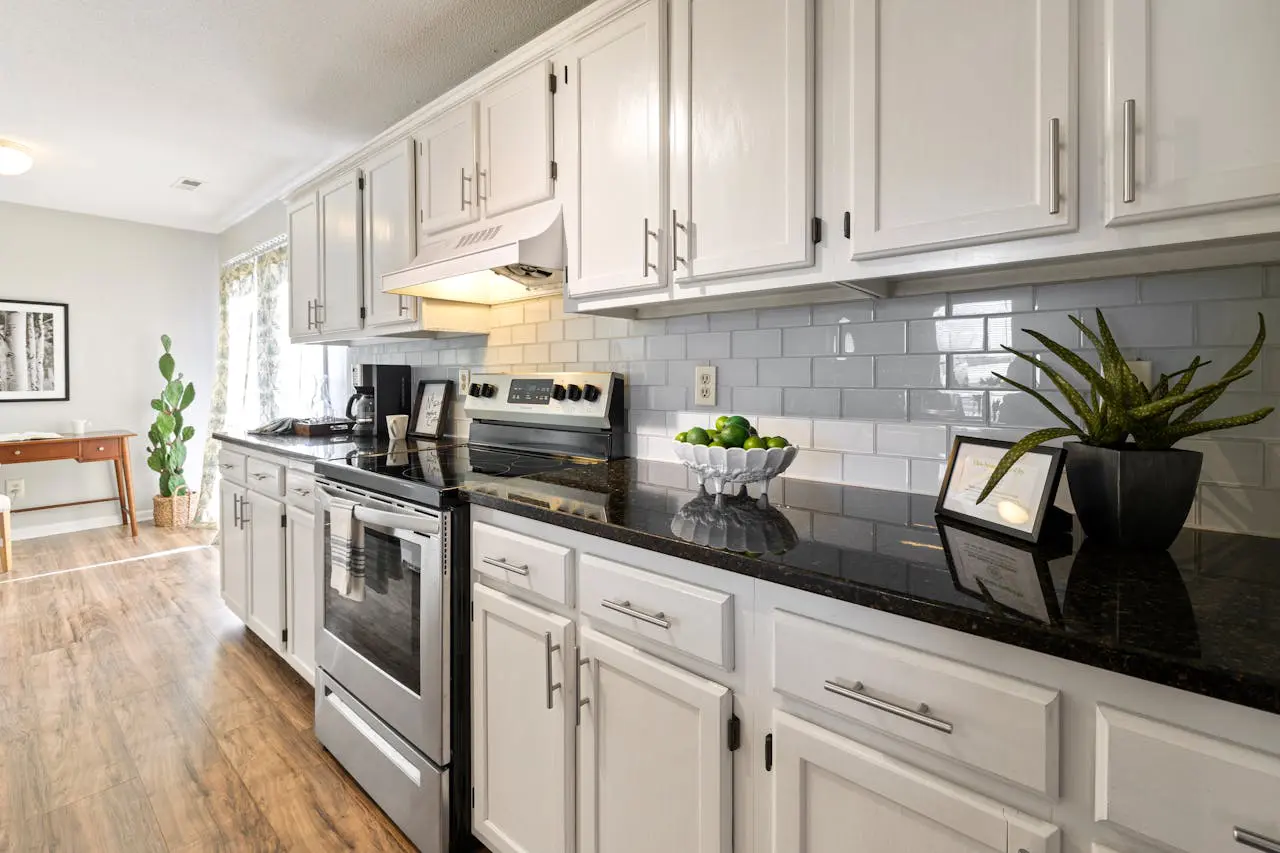
Granite countertops have long been considered a symbol of luxury, durability, and timeless design. Many homeowners choose granite for its unique beauty and ability to withstand the demands of a busy kitchen. But one common question remains: how long do granite countertops actually last? To answer that, let’s explore what makes granite such a resilient surface and the factors that influence its lifespan.
The Strength of Granite as a Material
Granite is an igneous rock formed deep within the earth under extreme heat and pressure. This natural process makes it one of the hardest materials available for countertops, second only to diamond in terms of natural hardness. As a result, granite surfaces resist scratches, chips, and everyday wear better than many other materials.
Average Lifespan of Granite Countertops
With proper care, granite countertops can last for decades—often between 30 to 50 years. In some cases, they’ve been known to outlast the home itself. Unlike other materials that may fade, warp, or wear out over time, granite maintains its original luster and strength when cared for correctly.
Factors That Affect Longevity
Several factors play a role in how long granite countertops last in a home:
1. Proper Sealing
Granite is porous, which means it can absorb liquids if not sealed correctly. Applying a high-quality sealer helps prevent stains, moisture damage, and bacterial growth. Resealing every 1–3 years is typically recommended.
2. Daily Maintenance
Simple care routines—like wiping spills quickly and using mild cleaners—go a long way toward preserving the stone’s integrity. Avoiding harsh chemicals ensures the surface doesn’t dull over time.
3. Installation Quality
Professional installation is crucial. Poorly installed granite can develop cracks or uneven seams that shorten its lifespan.
4. Usage Habits
While granite is heat-resistant, placing extremely hot pans directly on the surface repeatedly can weaken the sealant. Using trivets and cutting boards also prevents unnecessary scratches or chips.
The Value of Granite Over Time
Granite isn’t just a surface—it’s an investment. Unlike laminate or wood countertops that may need replacement every 10–15 years, granite stands the test of time. Its durability and aesthetic appeal can even boost the resale value of your home, making it a smart long-term choice.
In the middle of these considerations, many homeowners look to options such as Casa Granite kitchen countertops, which combine the strength of natural granite with design versatility and curated color selections, ensuring lasting beauty and performance.
Granite vs. Other Countertop Materials
When compared to quartz, laminate, or butcher block, granite often comes out on top in terms of longevity. Laminate usually lasts 10–20 years, quartz around 25–30 years, while butcher block may need replacing much sooner if not carefully maintained. Granite’s natural durability sets it apart as a long-term solution.
Signs Your Granite Countertops May Need Replacement
Although granite can last for decades, there are a few signs that indicate it might be time for a replacement or professional repair:
- Deep cracks or chips that can’t be repaired.
- Severe staining that remains even after resealing.
- Structural damage from poor installation.
Fortunately, these issues are rare when granite is properly cared for.
Final Thoughts
Granite countertops are built to last a lifetime—or even longer. With proper sealing, regular care, and professional installation, they can easily endure 30–50 years of daily use. Their combination of natural beauty, resilience, and timeless appeal makes granite one of the best investments you can make for your home.